



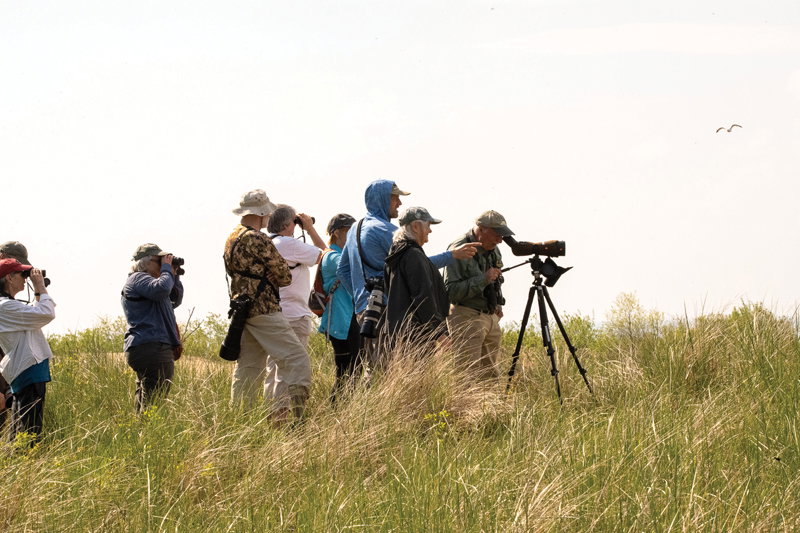
Michigan’s waterfront becomes one of North America’s busiest migration corridors every fall. Millions of birds moving south from Canada and the northern United States follow the contours of the Great Lakes, concentrating along shorelines, marshes, dunes, and river valleys as they search for food, shelter, and favorable weather.
For birders, it’s the equivalent of a seasonal road trip. Warblers fill shoreline woods, hawks ride thermals above coastal bluffs, waterfowl gather by the thousands in wetlands, and rare species can appear almost anywhere.
“Fall is a great time of year to see a diversity of species,” says Sam Burckhardt, an AuSable Valley Audubon (AVA) member and former secretary of Michigan Audubon. “You get a chance to see birds that don’t nest in your area. You see migrating birds that are just passing through to reach their wintering destination.”
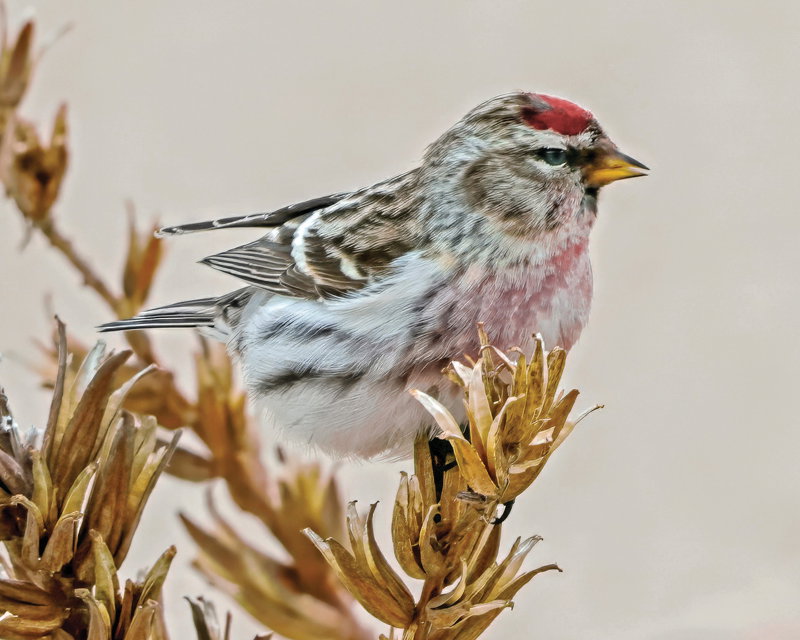
Better yet, fall birding often comes with fewer crowds, cooler temperatures, colorful scenery, and fewer biting insects than spring.
For newcomers, birding can be as simple as bringing a pair of binoculars and slowing down long enough to notice what’s happening around them. “Learn to listen, then look for the bird that’s making the noise,” explains Bill Roth, president of AuSable Valley Audubon.
Michigan offers hundreds of places to do just that, but a handful of waterfront locations stand out for their ability to attract a concentration of birds and create unforgettable viewing opportunities.
Tawas Point’s Front-Row Seat
If there’s a place that perfectly captures the drama of migration, it’s Tawas Point State Park in East Tawas.
Located on a narrow sand spit extending into Lake Huron, Tawas Point functions as a natural rest stop for weary travelers. Some birds arrive after flying hundreds or even thousands of miles. When they reach the point, they need food, shelter, and a chance to recover before continuing south.
“Tawas Point is a migration trap,” Roth says. “Birds need Tawas Point for survival, both in terms of rest and food.”
Because the point extends into Tawas Bay, it creates one of the few safe stopping places available along this stretch of shoreline. Hungry warblers, vireos, thrushes, and other songbirds gather in surprisingly high numbers, creating a birding experience that attracts visitors from around the world.
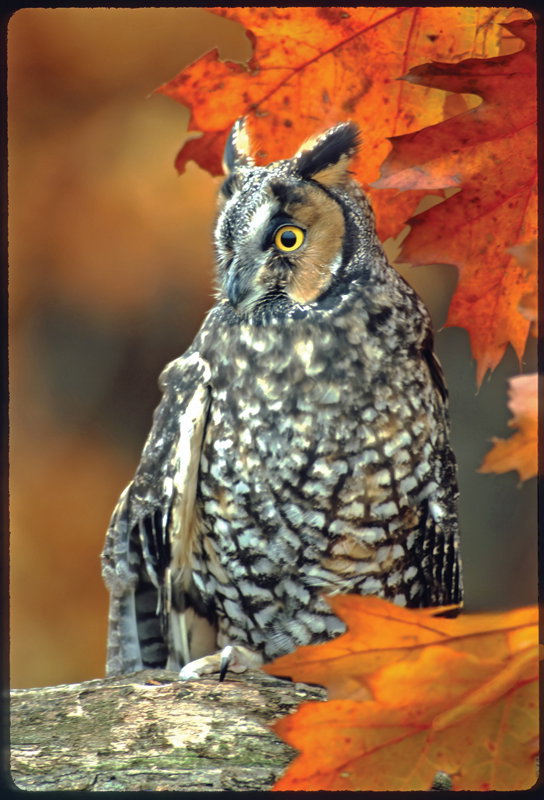
The geography helps explain why. Surrounded by Lake Huron and rich with insects and natural shoreline habitat, Tawas Point concentrates migrants into a relatively small area. Songbirds, raptors, and water birds all move through the area during fall, creating opportunities to see dozens of species in a single visit.
The experience isn’t limited to expert birders carrying expensive optics. A simple pair of binoculars and a willingness to pay attention can reveal an entirely new layer of life along the shoreline.
Whitefish Point’s Waterbird Highway
Whitefish Point offers an entirely different migration experience.
Jutting into Lake Superior from Michigan’s eastern Upper Peninsula, the narrow point is famous for waterbird migration. In the fall, birders gather along the shoreline to watch loons, grebes, ducks, and other species streaming past on their southbound journeys.
The location is especially renowned for species that are difficult to find elsewhere. Jaegers, scoters, and long-tailed ducks are among the highlights, while migrating owls and hawks add excitement during certain weather conditions.
According to Kylie McElrath, Michigan conservation manager at Audubon Great Lakes, nature rarely follows a script at this migration hotspot. “At Whitefish Point, a visitor might see hawks and falcons moving along the shoreline, flocks of waterfowl crossing Lake Superior, and songbirds feeding in nearby forests. Conditions can change every day, which is part of the excitement.”
With Lake Superior stretching endlessly toward the horizon, birding here feels less like a stroll through the woods and more like witnessing a living river of wildlife flowing across the water. It’s one of those rare places where every scan of the lake could reveal something unexpected.
Marsh Magic at Pointe Mouillee
At the opposite end of the state, Pointe Mouillee offers a completely different perspective on migration.
“Michigan’s east coast also has the distinction of overlapping two flyways. Birds from both the Atlantic and Mississippi flyways move through the east coast, particularly the Thumb and Detroit River areas,” explains Zach Cooley, a wildlife biologist with the Michigan Department of Natural Resources. “The flyways appear as distinct lines on a map for regulatory purposes, but the birds themselves often cross between the two.”
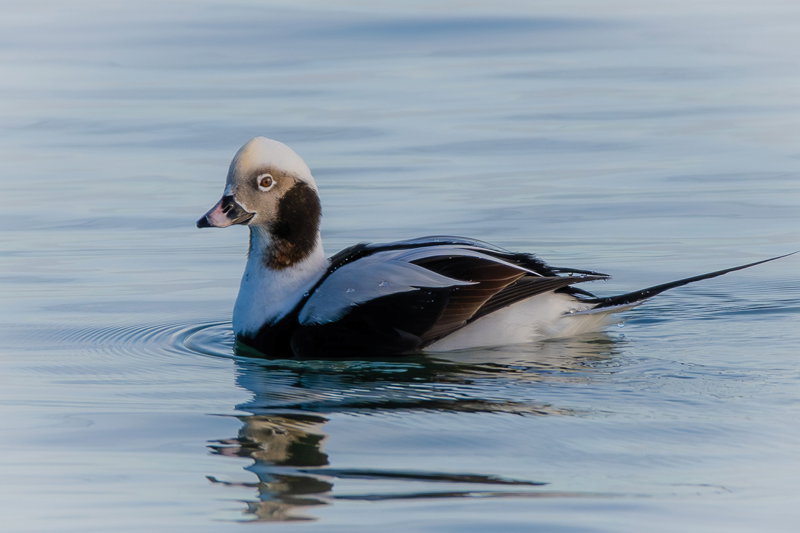
Located where the Detroit River meets Lake Erie, the sprawling complex of marshes, diked ponds, and wetlands is widely regarded as one of Michigan’s premier birding destinations. Here, water is the attraction.
Shorebirds probe exposed mudflats. Waterfowl gather in impressive numbers. Herons and egrets patrol the marshes. Depending on water levels, birders can encounter an astonishing diversity of species throughout the fall season.
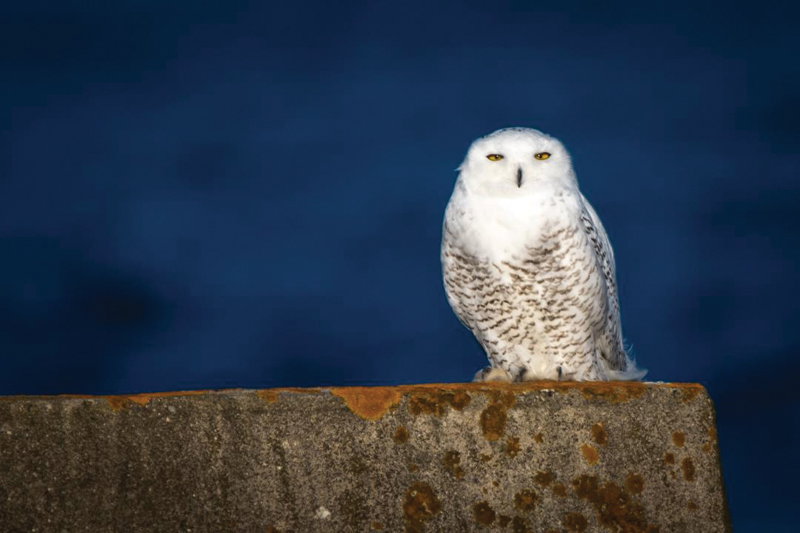
“The snowy owls later in the fall are always popular, and the hawk migration is always a big draw,” Cooley says.
Places such as Pointe Mouillee give migrants a chance to rest, refuel, and rebuild the energy reserves needed for long-distance flights. Without reliable places to feed and recover, many simply wouldn’t have the strength to complete their journey.
That’s a sobering reminder that birdwatching isn’t simply recreation. It also offers a window into the importance of conserving the habitats that make migration possible.
Dunes, Beaches, and Rare Birds
Along Lake Michigan, Sleeping Bear Dunes National Lakeshore near Empire combines spectacular scenery with exceptional birding.
The lakeshore’s 35 miles of beaches, forests, dunes, and wetlands provide habitat for hundreds of bird species throughout the year. During migration, nearly every patch of shoreline vegetation becomes a temporary refueling station.
Birders may encounter migrating warblers, tanagers, and flycatchers moving through the forests. The area is also famous for nesting piping plovers, one of the Great Lakes’ most endangered shorebirds.
Even casual visitors often find themselves pausing along a trail or beach access point, binoculars in hand, watching birds move through the landscape against a backdrop of towering dunes and sparkling blue water. It’s proof that birding doesn’t require a remote expedition. Sometimes the adventure begins with simply paying closer attention.
Let Someone Else Lead the Way
For travelers looking for a deeper experience, several guided birding adventures offer expert insight into Michigan’s fall migration.
The Nature Trail Birding Expedition, based in the Tawas City area, explores some of the most productive birding habitats in the Saginaw Bay region, including Tawas Point State Park, nearby Tuttle Marsh, and other migration hotspots.
Mid-September is often considered one of the best times to visit, when waterfowl, shorebirds, raptors, and songbirds overlap in impressive numbers. The tour gives participants multiple opportunities to experience the remarkable diversity of the Saginaw Bay region, which is regarded as one of the Midwest’s premier birding destinations.
Another unique option is the Charity Island Bird Watching Tour. Located in the middle of Saginaw Bay between Tawas Point and Fish Point, Charity Island serves as an important stopover site for more than 200 species of migratory birds. With nearly 300 acres of forest, an inland lake, and miles of undeveloped shoreline, the island offers visitors a rare opportunity to experience one of the bay’s most significant migration locations while learning about its fascinating natural and maritime history.
LOOKING UP
Experienced birders often say that the more you learn, the more you see.
“It’s all about knowledge. Get to know the common birds in your area, and then rare birds will stand out,” says Matt Hegwood, AVA member and local naturalist. “Some birds you may never get a good look at, but you’ll know they’re there by sound. Many of the most secretive birds are marsh-dwellers, but species like cuckoos are often heard well before birders ever catch sight of them sitting quietly in the trees.”
That’s part of birding’s enduring appeal. Every outing offers the possibility of discovery. A shoreline walk becomes a treasure hunt, and a quiet morning by the water becomes a front-row seat to one of nature’s greatest journeys.
“Many experienced birders are especially thrilled during fall migration by the chance to find a rarity, or by spotting a bird that has wandered outside its typical migration route,” McElrath says.
Whether you’re watching warblers refuel at Tawas Point, scanning Lake Superior for migrating loons at Whitefish Point, exploring the marshes of Pointe Mouillee, or following trails through Sleeping Bear Dunes, Michigan’s waterfront offers countless opportunities to connect with the natural world.
And every fall, millions of birds provide a reason to get outside and do it
Michigan Bird-Watching Resources
michigan.gov/dnr/things-to-do/wildlife-viewing/birding
naturetravelbirding.com/birding-in-north-america/